Dec 11, 2024
Regular/General Care
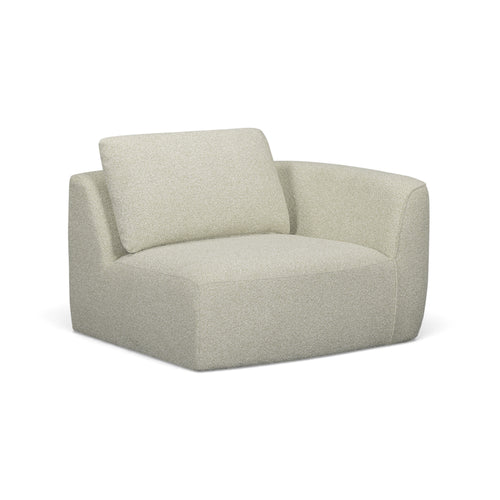
Just like other furniture items, boucle pieces tend to accumulate dust and dirt over time. To tackle this, it's advisable to use a soft-bristled brush or a vacuum cleaner with an upholstery brush attachment occasionally. Be sure to handle the cleaning process gently, following the fabric grain, as vigorous cleaning might harm the natural loops and curls of the fabric.
To keep your boucle sofa looking and smelling fresh, it’s important to give it regular maintenance and care. Here are some strategies to freshen up your boucle sofa:
Air it out: Open windows or doors near the sofa to allow fresh air to circulate. This will help remove any lingering odors and give the sofa a fresher scent.
Vacuum regularly: Vacuum your boucle sofa on a regular basis to remove dust, dirt, and any loose particles that may have settled on the fabric. Use a soft brush attachment or an upholstery attachment to avoid damaging the loops of the boucle fabric.
Spot clean as needed: Address any spills or stains promptly using gentle cleaning methods suitable for boucle fabric. Spot cleaning ensures that any potential sources of odor or discoloration are dealt with immediately.
Refresh with fabric refresher: Use a fabric refresher spray designed for upholstery to give your boucle sofa a quick refresh. Lightly spray the fabric from a distance, following the manufacturer’s instructions. Allow the fabric refresher to dry naturally, and the sofa will smell clean and inviting.
Use baking soda: Sprinkle baking soda over the surface of your boucle sofa and let it sit for a few hours or overnight. Baking soda helps absorb odors, leaving your sofa smelling fresh. Use a vacuum cleaner with a brush attachment to remove the baking soda residue.
Rotate cushions: If your boucle sofa has removable cushions, rotate them regularly to distribute wear and ensure even aging. This can help prevent the accumulation of odors in specific areas.
Keep pets off the sofa: If you have pets, be mindful of keeping them off the boucle sofa. Pet hair, dander, and odor can cling to the fabric, requiring frequent cleaning and freshening.
Protect from direct sunlight: Avoid placing your boucle sofa in direct sunlight as prolonged exposure can cause the fabric to fade. Use curtains, blinds, or UV protection films on windows to protect the sofa from harmful sun rays.
Consider scented sachets: Place scented sachets in the vicinity of your boucle sofa to infuse a pleasant fragrance. Choose scents that complement your decor and create a welcoming atmosphere.
By incorporating these tips into your routine, you can keep your boucle sofa looking and smelling fresh, enhancing the overall ambiance of your living space.
How to Clean!
1. Inspect the Fabric
Before cleaning boucle fabric, thoroughly examine it for any signs of damage or discoloration. If any damage is present, it is best to take the fabric to a professional cleaner for cleaning
2. Vacuuming the Boucle Sofa to remove any dirt or dust
Vacuuming your boucle sofa is an essential step in keeping it clean and free from dirt, dust, and debris. Regular vacuuming not only removes surface particles but also helps to maintain the integrity of the fabric. Here are some tips to effectively vacuum your boucle sofa:
Choose the right attachment: When vacuuming your boucle sofa, it’s best to use a soft brush attachment or a upholstery attachment with gentle bristles. Avoid using a vacuum cleaner with a harsh or rotating brush as it can snag or damage the loops of the fabric.
Pre-treat any stains: Before vacuuming, check your sofa for any visible stains. If you notice any, use a gentle fabric cleaner or stain remover specifically designed for boucle fabric to pre-treat the stains. Follow the instructions on the cleaner and allow it to penetrate the stain for a few minutes before proceeding.
Start from top to bottom: Begin vacuuming from the top of the sofa and work your way down. This will help prevent any loose dirt or debris from falling onto already vacuumed areas.
Use gentle strokes: When vacuuming, use gentle, slow strokes to avoid damaging the delicate loops of the boucle fabric. Allow the vacuum cleaner to do the work, rather than applying excessive pressure.
Cover all surfaces: Make sure to vacuum all surfaces of the sofa, including the seat cushions, back cushions, armrests, and any removable pillows. Be thorough in your cleaning to ensure that all dirt and dust are removed.
Pay attention to crevices: Use the crevice attachment or a soft brush to clean any hard-to-reach areas or crevices in your boucle sofa. These areas tend to collect dust and debris and may require extra attention.
Repeat as needed: Depending on the level of dirt and debris, you may need to repeat the vacuuming process a few times to achieve a thorough cleaning. Assess the cleanliness of the sofa and continue vacuuming until you are satisfied with the results.
Vacuuming your boucle sofa regularly will help to maintain its cleanliness and extend its lifespan. It’s a simple yet effective cleaning method that can be done on a routine basis to keep your sofa looking its best.
3. Spot-Clean Stains
Accidents happen, and when spills or stains occur on your boucle sofa, it’s crucial to address them promptly with spot cleaning. Here’s a step-by-step guide on how to effectively spot clean stains on your boucle sofa:
Blot the stain: As soon as a spill occurs, quickly grab a clean, absorbent cloth or paper towel and gently blot the stain. Avoid rubbing the stained area, as it can push the stain further into the fabric and potentially damage the loops.
Test a gentle cleaner: Before applying any cleaning solution to the stain, it’s best to test it on an inconspicuous area of the sofa to ensure it doesn’t cause any discoloration or damage. Apply a small amount of the cleaner to a hidden section of the fabric and wait for it to dry. If there are no adverse effects, proceed with the cleaning.
Apply the cleaning solution: If the test spot is successful, apply a small amount of a gentle fabric cleaner or upholstery cleaner specifically formulated for boucle fabric onto a clean, white cloth. Dab the cloth onto the stained area, starting from the outside of the stain and working your way toward the center. Avoid saturating the fabric with excessive cleaner.
Gently blot the stain: Using the cloth with the cleaning solution, blot the stain gently in a dabbing motion. Continue dabbing until the stain starts to lift. Avoid rubbing or scrubbing vigorously as it may damage the fabric.
Remove excess moisture: After removing the stain, blot the area with a clean, dry cloth to absorb any excess moisture. Press the cloth onto the fabric, applying gentle pressure. Repeat this process until the area is relatively dry.
Let it air dry: Allow the spot-cleaned area to air dry completely. Avoid using a hairdryer or applying excessive heat, as it can damage the delicate boucle fabric. If necessary, you can gently fluff the loops of the fabric with your fingers once it’s dry.
Assess the results: Once the fabric is fully dry, assess the spot-cleaned area to see if any traces of the stain remain. If necessary, you can repeat the spot-cleaning process or consider seeking professional assistance for stubborn stains.
Remember, the key to successful spot cleaning is to address stains as soon as possible and to use gentle cleaning solutions and techniques. With proper care and attention, you can effectively remove stains from your boucle sofa and keep it looking pristine for years to come.
4. Dealing with Greasy Stains
Accidents happen, and dealing with greasy stains on your boucle sofa requires a slightly different approach than regular spot cleaning. Here’s how you can effectively tackle greasy stains on your boucle sofa:
Act quickly: As soon as you notice a greasy stain, it’s important to act quickly. Use a clean cloth or paper towel to gently blot up any excess grease or oil on the surface of the fabric.
Absorb the grease: Sprinkle some baking soda or cornstarch onto the stain, covering it completely. These powders are excellent at absorbing grease and oil from the fabric.
Leave it to sit: Allow the baking soda or cornstarch to sit on the stain for at least 15 minutes. This will give it time to absorb the grease and oil from the fabric.
Brush it off: After the powders have had time to work, use a soft-bristled brush or a clean, dry cloth to gently brush or pat away the baking soda or cornstarch. Be careful not to rub the stain vigorously as it can damage the loops of the boucle fabric.
Spot clean: If any trace of the greasy stain remains, use a gentle fabric cleaner or upholstery cleaner specifically formulated for boucle fabric. Apply a small amount to a clean, white cloth and dab the stained area, working from the outside toward the center. Continue blotting gently until the stain begins to lift.
Remove excess moisture: Once you’ve successfully removed the greasy stain, blot the area with a clean, dry cloth to absorb any excess moisture. Press the cloth onto the fabric, applying gentle pressure. Repeat this process until the area is relatively dry.
Let it air dry: Allow the spot-cleaned area to air dry completely. Avoid using heat sources or fans to speed up the drying process, as it can damage the delicate boucle fabric. Once dry, use your fingers to gently fluff the fabric’s loops.
Assess the results: Once the fabric is fully dry, assess the spot-cleaned area to see if any traces of the greasy stain remain. If necessary, repeat the process or consult a professional cleaner for further assistance.
By acting quickly and using the right techniques, you can effectively tackle greasy stains on your boucle sofa. Remember to be gentle with the fabric and avoid rubbing or scrubbing vigorously to prevent any damage to the loops and texture.
5. Removing Liquid Stains
When it comes to liquid stains on your boucle sofa, it’s important to act quickly to prevent the stain from setting into the fabric. Here’s a step-by-step guide on how to effectively remove liquid stains from your boucle sofa:
Blot the stain: Immediately after a liquid spill occurs, use a clean, absorbent cloth or paper towel to blot the stain gently. Start from the outer edges of the stain and work your way toward the center. Avoid rubbing the fabric, as it can spread the stain further.
Check the cleaning instructions: Before proceeding, refer to the cleaning instructions provided by the manufacturer to ensure that spot cleaning with a liquid cleaner is safe for your boucle sofa.
Test a cleaning solution: If it’s safe to spot clean, test a small amount of a mild liquid cleaner or a mixture of gentle detergent and water on an inconspicuous area of the sofa. Dab the cleaner onto the fabric and let it sit for a few minutes. Blot it away with a clean cloth and check for any adverse reactions, such as color fading or fabric damage. If there are no issues, proceed to the next step.
Clean the stain: Gently dampen a clean cloth with the cleaning solution and dab the stained area, working from the outside toward the center. Avoid saturating the fabric with too much liquid to prevent over-wetting the boucle material.
Blot the stain: After applying the cleaning solution, take a fresh cloth dampened with clean water and blot the stained area to remove any remaining cleaning solution or residue.
Dry the sofa: Use a dry cloth to blot the dampened area and remove excess moisture. Allow the spot-cleaned area to air dry naturally. Avoid using hairdryers or applying direct heat sources, as they can potentially damage the delicate boucle fabric.
Fluff the fabric: After the spot-cleaned area has completely dried, gently fluff the fabric’s loops using your fingers to restore its natural texture and appearance.
Assess the results: Once the fabric is fully dry, assess the spot-cleaned area to see if any traces of the liquid stain remain. If necessary, repeat the spot-cleaning process or seek professional assistance for stubborn stains.
By acting quickly and following these steps, you can effectively remove liquid stains from your boucle sofa and keep it looking clean and fresh.
6. Treating Ink or Marker Stains
Ink or marker stains on your boucle sofa can be stubborn to remove, but with the right approach, you can effectively treat and minimize their appearance. Here’s how to tackle ink or marker stains on your boucle sofa:
Act quickly: As soon as you notice the ink or marker stain, it’s important to act quickly to prevent it from setting into the fabric. Grab a clean, absorbent cloth or paper towel and blot the stain gently to remove any excess ink or marker.
Avoid smudging: It’s crucial to avoid rubbing or smudging the stain, as it can spread the ink or marker to a larger area.
Test a gentle cleaner: Before proceeding with any cleaning solution, test it on an inconspicuous area of the sofa to ensure it doesn’t cause any discoloration or fabric damage. Apply a small amount of the cleaner to a hidden section of the fabric and wait for it to dry. If there are no adverse effects, proceed with the cleaning process.
Use a specialized cleaner: If the ink or marker stain is fresh, try using a specialized ink or marker remover for fabric. Apply a small amount of the cleaner onto a clean cloth and gently dab the stain, starting from the outer edges and moving inward. Avoid rubbing the fabric to prevent spreading the ink or marker.
Gently blot the stain: Blot the stained area with a clean cloth to absorb the ink or marker remover and any remaining stain. Repeat this process until the stain starts to fade.
Remove excess moisture: After treating the stain, use a clean, damp cloth to blot the area and remove any excess moisture or residue from the cleaning solution.
Dry the sofa: Allow the spot-cleaned area to air dry naturally. Avoid using heat sources to speed up the drying process, as they can potentially damage the boucle fabric.
Assess the results: Once the fabric is fully dry, assess the spot-cleaned area to see if any traces of the ink or marker stain remain. If necessary, repeat the cleaning process or consider seeking professional assistance for deep-seated or persistent stains.
Remember, ink and marker stains can be challenging to remove completely, especially if they’ve had time to set into the fabric. Acting quickly and using the right cleaning methods can greatly improve your chances of successfully treating and minimizing the appearance of ink or marker stains on your boucle sofa.
7. Cleaning Pet Hair from the Boucle Sofa
If you have pets, you’re likely familiar with the challenge of dealing with pet hair on furniture. Keeping your boucle sofa free from pet hair can be a constant struggle, but with the right techniques, you can effectively clean it. Here’s how to remove pet hair from your boucle sofa:
Use a lint roller: Lint rollers are handy tools for quickly picking up pet hair from fabric surfaces. Roll the lint roller over the surface of your boucle sofa, applying gentle pressure to pick up the pet hair. Replace the adhesive sheets on the lint roller as needed.
Try a fabric brush: A fabric brush with soft bristles can also be effective in removing pet hair from boucle fabric. Brush the surface of the sofa in short, quick strokes to lift and collect the loose pet hair. Make sure to brush in the direction of the fabric’s loops to avoid damaging them.
Dampen a rubber glove: Dampen a clean rubber glove with water and run your hand over the surface of the boucle sofa. The slight dampness and the texture of the glove will help attract and gather pet hair. Rinse the glove as needed to remove accumulated hair.
Use a vacuum cleaner: If your boucle sofa has removable cushions, use a vacuum cleaner with a brush attachment to effectively remove pet hair. Start by vacuuming the cushions, paying attention to the crevices and seams where hair tends to accumulate. Then, vacuum the sofa’s surface, using slow and deliberate strokes to ensure maximum hair removal.
Consider a rubber broom: A rubber broom, typically used for cleaning floors, can be surprisingly effective in removing pet hair from boucle fabric. Lightly dampen the rubber bristles and sweep them across the sofa’s surface. The rubber bristles will attract and gather pet hair, making it easier to remove.
Use a fabric softener spray: Dilute fabric softener with water and transfer the mixture to a spray bottle. Lightly mist the boucle sofa with the fabric softener spray. This will help loosen the grip of the pet hair on the fabric, making it easier to remove with a lint roller or brush.
Repeat the process regularly: To keep pet hair under control, it’s important to repeat these cleaning methods regularly. Depending on the amount of pet hair, you may need to clean your boucle sofa every few days or weekly.
While it may be challenging to completely eliminate pet hair from your boucle sofa, these techniques can significantly reduce the amount of hair and keep your sofa looking cleaner. Regular maintenance is key to effectively managing pet hair and enjoying a hair-free boucle sofa.
8. Wash the Fabric
Fill a sink or bathtub with warm water and add a small amount of laundry detergent. Submerge the fabric in the water and allow it to soak for 10–15 minutes. Gently agitate the fabric in the water for a few minutes and then rinse it with cold water.
9. Dry the Fabric
Lay the fabric flat on a clean towel and gently press it to remove excess water. Place the fabric on a drying rack or clothesline and allow it to air dry. Do not place the fabric in a tumble dryer as this could cause shrinkage.
Boucle Product Care
Protecting the Boucle Sofa from Damage
To ensure the longevity and appearance of your boucle sofa, it’s essential to take proactive measures to protect it from potential damage. Here are some key strategies to consider:
Use slipcovers or throws: Slipcovers or throws can provide an extra layer of protection for your boucle sofa. They act as a barrier, shielding the fabric from spills, stains, or pet hair. Plus, they offer the added benefit of being easily removable and washable, making maintenance a breeze.
Keep sharp objects away: Avoid placing sharp objects, such as keys or scissors, on your boucle sofa. These objects can puncture or snag the delicate loops of the fabric, resulting in potential damage.
Place coasters and trays: When enjoying beverages or snacks near your boucle sofa, use coasters and trays to prevent accidental spills and stains. This simple precaution can help minimize the risk of liquids seeping into the fabric.
Provide designated pet areas: If you have pets, designate specific areas for them to rest or play, away from the boucle sofa. Train your pets to avoid jumping or scratching on the sofa, as their nails can snag or damage the fabric.
Avoid direct sunlight: Prolonged exposure to direct sunlight can fade the colors of your boucle sofa fabric. Protect it from harmful UV rays by using curtains, blinds, or UV protection films on windows. Rearranging the furniture periodically can also help distribute sunlight exposure.
Manage humidity levels: High humidity levels can impact the fabric of your boucle sofa. Consider using a dehumidifier in humid climates to prevent moisture damage or mold growth. Conversely, if the air is too dry, use a humidifier to maintain an optimal level of moisture.
Regularly fluff and rotate cushions: If your boucle sofa has removable cushions, take the time to fluff them regularly and rotate their positions. This helps prevent uneven wear and maintains the sofa’s overall appearance and shape.
Follow cleaning instructions: Always follow the manufacturer’s cleaning instructions for your specific boucle sofa. Using the wrong cleaning products or techniques can damage the fabric and affect its appearance. If in doubt, consult professional cleaners who are experienced in handling delicate materials.
Restrict food and drinks: While it’s tempting to enjoy snacks or meals on your boucle sofa, it’s best to avoid eating messy foods or drinking beverages that can easily spill. Accidental spills can lead to stains or attract insects, potentially causing long-term damage.
Regular maintenance: Lastly, establish a regular cleaning and maintenance routine for your boucle sofa. Vacuum it regularly, follow spot cleaning procedures promptly, and address stains as soon as possible to prevent them from becoming permanent.
By implementing these protective measures, you can extend the lifespan of your boucle sofa and keep it looking beautiful and pristine for years to come.
How To Store Boucle Fabric
Don’t Store It With Other Fabrics: Storing your boucle fabric with other fabrics can cause them to become tangled and even damaged. Keep your boucle fabric separate from other fabrics to ensure it stays in good condition. Make Sure The Fabric Is Clean And Dry:Before you store your fabric, you should ensure that it is clean and dry. Any dirt or moisture can cause the fabric to deteriorate over time.
Keep It Away From Direct Sunlight:Sunlight can fade or damage the fabric. So, you should store your fabric stays in a dark and cool location so that it stays in good condition.
Store It In An Airtight Container:An airtight container can help to protect your fabric from dust and other contaminants. It can also be useful to keep the fabric from getting wrinkled.
Consider Using Mothballs:Mothballs can help keep moths and insects away from your fabric. Be sure to use mothballs that are specifically designed for fabric storage.
Don’t Store It With Other Fabrics:Storing your boucle fabric with other fabrics can cause them to become tangled and even damaged. Keep your boucle fabric separate from other fabrics to ensure it stays in good condition.